End the Pain & Save Your Smile
Decades of experience in restorative dentistry
Partnering with skilled endodontists
Custom crowns crafted for long-term durability
Flexible financing through CareCredit®
Dr. John P. Goodman carefully evaluates each case and partners with skilled endodontists to ensure you receive the most appropriate care for your root canal treatment.
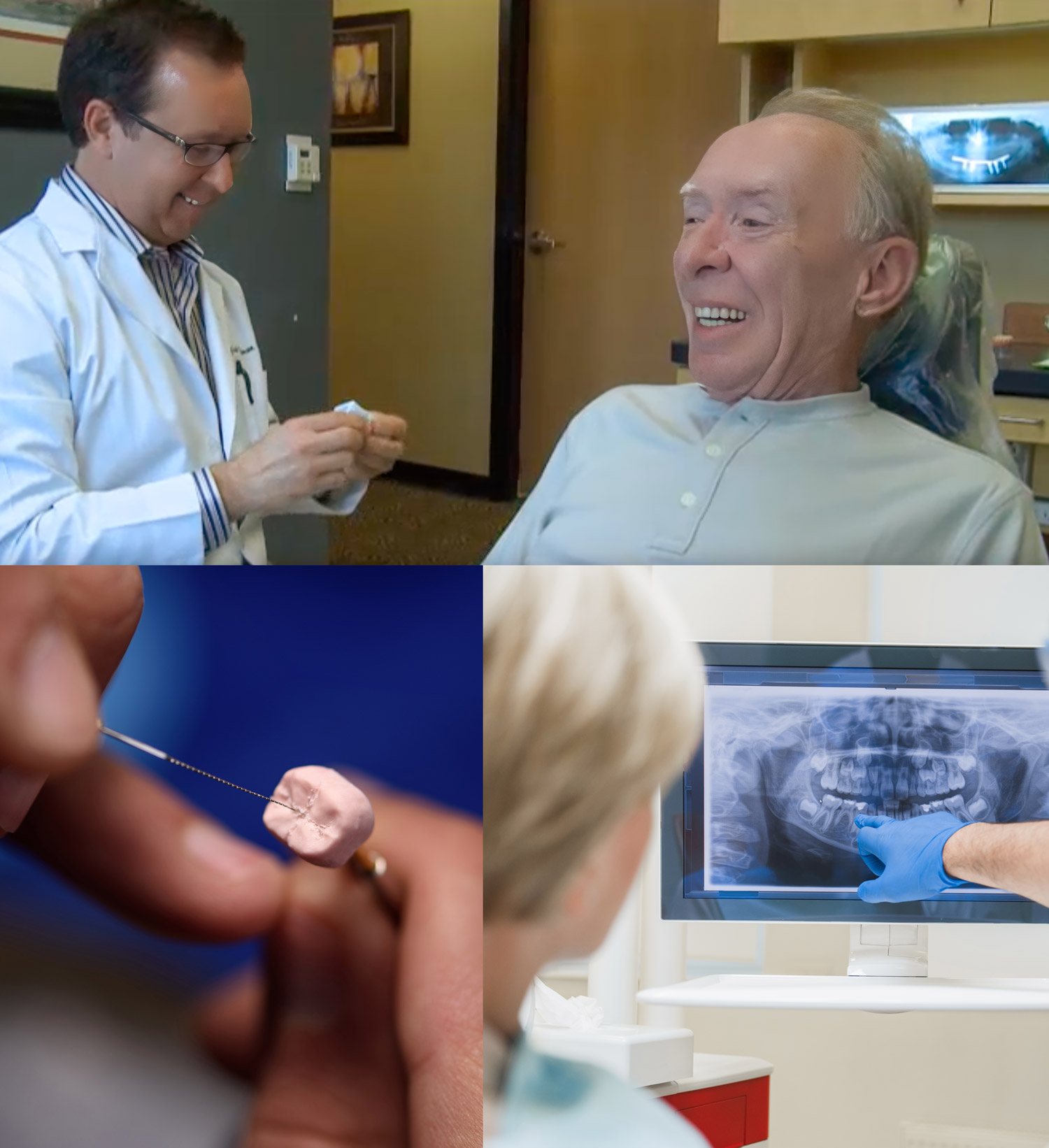
Our dentist in Kansas City, MO, uses advanced imaging technology to assess tooth damage and plan for necessary restorations after your root canal.
Following your endodontic procedure, Dr. Goodman will place a custom dental crown to restore strength, function, and a natural appearance to your treated tooth.
With more than 20 years of experience in Kansas City, Dr. Goodman is a trusted provider for restorative care and long-term dental health.
Severe tooth pain or lingering sensitivity to temperature changes can be signs of infection deep within the tooth. If left untreated, this kind of damage may lead to tooth loss or more serious health complications. At our Kansas City office, Dr. Goodman will perform a thorough evaluation, take digital X-rays, and explain whether a root canal is necessary.
If it's right for your case, we’ll coordinate a referral to a trusted endodontist who specializes in root canal therapy. After the procedure, you’ll return to our office for a custom dental crown to be placed over the treated tooth. This final step restores both function and appearance, helping you chew comfortably and smile confidently again.
Our team is here to guide you through each step of the process with care, clarity, and expert support.
“I saw Dr. Goodman today and love the work he did for me. His bedside manner is amazing and his staff is wonderful.”
-Micah, 5-Star Review
Some dental infections can be painless at first, but many patients experience noticeable symptoms. If you’re dealing with any of the following, it’s important to schedule an exam:
Persistent toothache or throbbing pain
Sensitivity to heat or cold that lingers after exposure
Swelling or tenderness around the gums
A darkened or discolored tooth
Pain when chewing or touching the tooth
A pimple-like bump on the gums
These symptoms may point to an infection inside the tooth. Dr. Goodman can determine whether a root canal is needed and help coordinate the next steps for treatment and restoration.
While it might seem easier to remove an infected tooth, preserving your natural tooth is almost always the better choice. A root canal eliminates the infection and allows you to keep the tooth in place, which helps maintain normal chewing function, jawbone health, and a natural-looking smile.
Tooth replacement options such as dental implants or dental bridges can be effective, but they require more time, cost, and follow-up care. When possible, treating the tooth conservatively with a root canal and crown can offer a simpler, more stable solution.
Because a root canal involves multiple phases of care, the total cost can vary. At our Kansas City practice, Dr. Goodman handles the diagnostic evaluation and final crown placement, while the root canal procedure itself is performed by a trusted endodontist.
Your final cost will depend on the severity of the infection, the type of crown needed, and your dental insurance coverage. Most insurance plans cover a portion of the treatment, and we will provide a breakdown of expected costs before any work begins.
We're happy to help patients without insurance. We accept CareCredit® financing to make treatment more manageable with flexible monthly payments.
Modern root canal therapy is designed to relieve pain, not cause it. Most patients report that the procedure feels similar to getting a filling. The area is fully numbed before treatment, and any post-procedure discomfort is typically mild and short-lived.
The root canal itself usually takes about 60 to 90 minutes and is completed in one or two visits to the endodontist. After the procedure, you’ll return to our Kansas City office for crown placement, which may require an additional appointment.
Only a dental exam with X-rays can determine the right treatment. In general, a dental filling can treat surface-level decay, while a root canal is needed when the infection reaches the tooth’s pulp. Dr. Goodman will assess the damage and explain your best options.
“Dr Goodman has been my family's dentist for years. I would highly recommend him and his staff. I'm so thankful for all the years of service he has has provided is over the years." – Shelly, 5-Star Review